
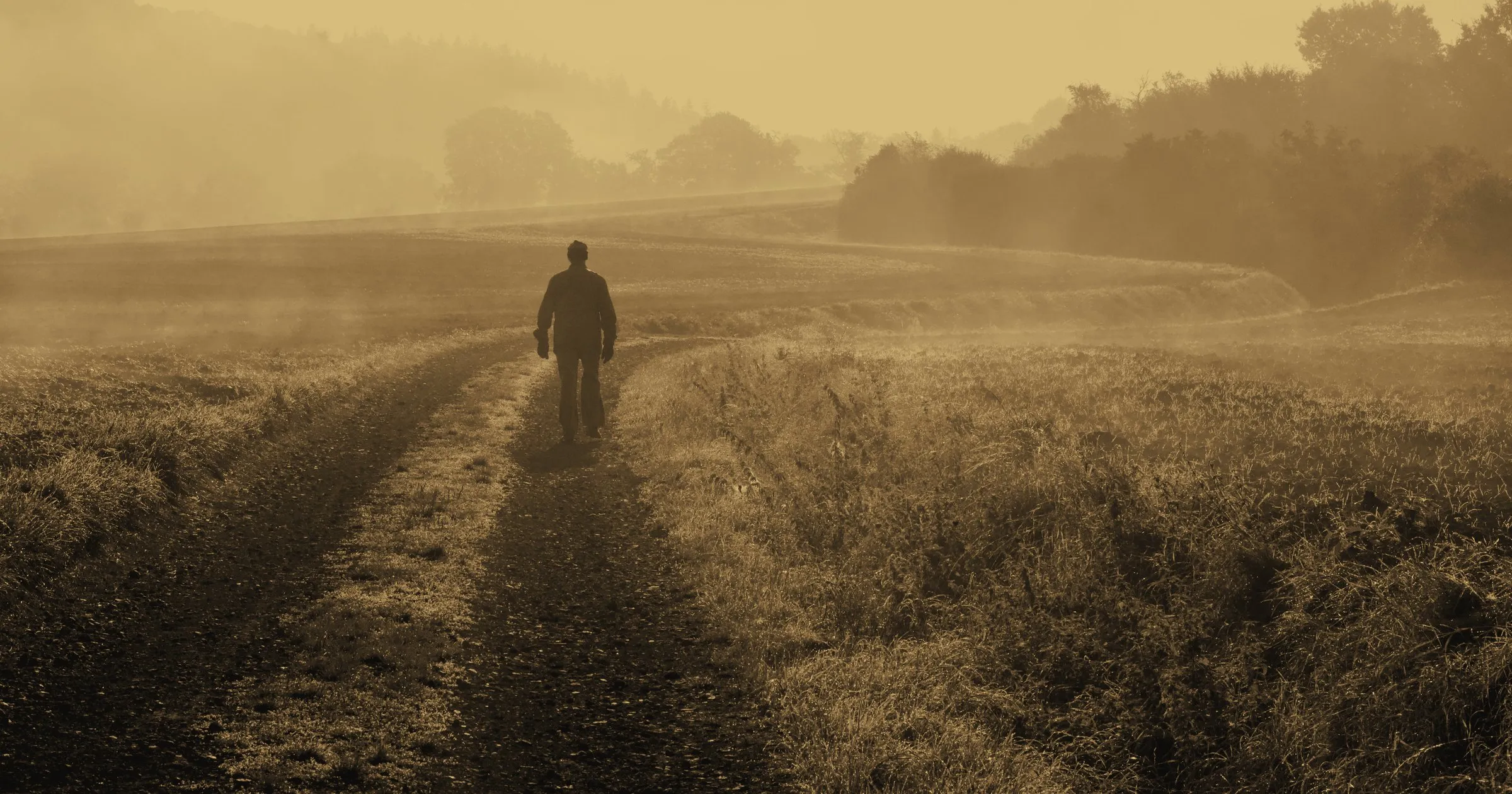
Nobody warned me about the quiet.
I decided to change some things. I started praying on time. I stopped messing about, stopped gossiping, stopped doing the things I knew were wrong, and stopped spending every Friday and Saturday night somewhere I no longer wanted to be. I got up earlier. I read. I started guarding my tongue, my time and my company.
I expected it to be hard. I expected tired mornings and the pull of old habits. What I did not expect was the silence where some of my friendships used to be.
When you start improving your life, you will be lonely, misunderstood, and people will say things. I have learned that is the cost of improvement.
Three kinds of people
When I changed, the people around me sorted themselves. I did not do the sorting. They did.
Some loved me and kept supporting me. They did not understand every choice, and they teased me a little, but they were glad. When I turned down the plan, they asked what I would rather do instead. I hold on to those people. They are rarer than I thought.
Some simply drifted. There was no falling out. The thing we had in common was the thing I stopped doing, and without it there was not much left to say. That is sad, but it is nobody’s fault.
And some became bitter. The jokes got sharper. “Look who’s too good for us now.” “Since when were you so religious?” They told other people I had changed, and they did not mean it kindly.
I try not to take it personally. My growth reminded them of everything they were not doing for themselves. I did not hold up a mirror on purpose, but I became one, and not everyone liked what they saw in it.
“We miss the old you”
Sooner or later, someone asked me to come back.
It never sounded like a demand. It sounded like affection. “You used to be fun.” “You’ve got so serious.” “You’re being negative now.” “We miss the old you.” “Why do you have to overthink everything?”
“Negative” was the one to watch. It usually arrived the moment I noticed something out loud: that a joke was cruel, that a plan was a bad idea, that the mood in the room had turned. Noticing is not negativity. Calling it negative was just a way to get me to stop noticing.
I listened to what they were actually asking for. The old me laughed along. The old me never asked why the conversation always turned to someone who was not in the room. The old me did not notice the energy in a place, or noticed and said nothing. The old me went wherever the group went, agreed with whoever spoke loudest, and never asked whether any of it was good for me.
That version of me was easy to be around. Of course they missed him. He never asked anything of them.
But I was not being asked to come back. I was being asked to shrink, to switch off the part of me that had started questioning, so everyone else could stay comfortable. A smaller, quieter, dumbed-down version who does not notice anything is not the real me. It is the convenient one.
I can love these people and still say no. My answer is a plain one: “I’m still here. I’m just not going back.” They are welcome to the person I am now. That offer stays open.
Strange is not wrong
The Prophet, peace be upon him, said: “Islam began as something strange, and it will return to being strange as it began, so give glad tidings to the strangers” (Sahih Muslim).
There is comfort in that for me. Doing the right thing has always looked strange to people who settled for less. When I feel out of place for praying while everyone else is talking, for leaving when the conversation turns sour, for saying no when yes would be easier, I remind myself I am in good company. Growth will always look strange to people who have become comfortable with standing still.
Allah says: “Indeed, Allah will not change the condition of a people until they change what is in themselves” (Quran 13:11). Change starts on the inside, and it was my job. Nobody could do it for me. Not everyone was going to come with me, either.
Choosing my company
The Prophet, peace be upon him, also said: “A person is upon the religion of his close friend, so let each of you look at whom he befriends” (Abu Dawud, Tirmidhi).
Who I sit with shapes who I become. That works in both directions. The friends who pulled me down once would pull me down again if I let them. He gave a picture of it too: a good companion is like someone who sells musk, and a bad one like a blacksmith working the bellows (Bukhari, Muslim). Sit with the perfume seller and, at the very least, you leave smelling good. Sit by the forge and, at the very least, you leave smelling of smoke.
So this is not cruelty. I am not looking down on anyone. I am being honest about what I can carry and still keep moving.
The honest part
None of this is a licence to cut everyone off, and I have had to remind myself of that.
Some of the people who questioned my changes were not jealous. They were hurt, because I stopped turning up and did not always explain why. Some of them were right: growth can come with a little arrogance, and it is easy to confuse becoming better with feeling better than. When someone tells me I have become harsh, I try to listen before I dismiss them. Humility is part of the improvement, not something you add later.
I keep my manners. I keep the ties of kinship, which we were commanded to keep. I visit family, answer the phone, and make dua for the friends I have lost touch with. Leaving behind a way of living does not mean leaving behind my duties to people.
But I will not go back to being someone I have outgrown just to make other people comfortable.
You knew me then
Some people hold on to who I was long after I stopped being that person.
They knew me once, and they think that means they know me now. So they still expect the same reactions, the same behaviour, the same easy access to my time and my attention. When they do not get it, they decide something is wrong with me.
But people change. What I have been through has changed how I think, how I move and how I deal with people, sometimes in ways nobody else will ever fully understand. That does not mean I have it all figured out. I do not. I am still learning, every day. It just means I am not the same person, and I am allowed not to be.
Someone who knew my past does not get to tell me who I am today. They knew me then. That does not mean they know me now.
The price
Growth costs something. Usually it costs company. Some nights it felt like I had swapped a full room for an empty one, and I wondered whether it was worth it.
It was. The room filled again with different people: the ones who want the same things I want now, who pull me forward and not back.
Sometimes becoming the person you are supposed to become means being willing to leave behind the people who only liked the person you used to be.