
There is a mechanism in Ibn Khaldun's account of why civilisations fall that I find genuinely difficult, because it does not leave you anywhere to stand.
Most theories of decline are reassuring in a hidden way. They blame something. Bad emperors. Barbarians. A plague, a currency, a policy. And anything that can be blamed can in principle be avoided, which means the theory quietly promises that a sufficiently wise civilisation could sidestep the ending.
Ibn Khaldun's does not promise that. In his account the thing that destroys a civilisation is its own success, operating exactly as intended.
His move was to stop asking why this dynasty fell, which produces a list of kings and their failings, and start asking why they all did, in roughly the same shape, regardless of who was in charge.
The answer turns on asabiyyah, which gets translated as group feeling or social cohesion and is not really either. It is the willingness of people to sacrifice their own interest for the group. To fight for each other. To subordinate the self without being made to.
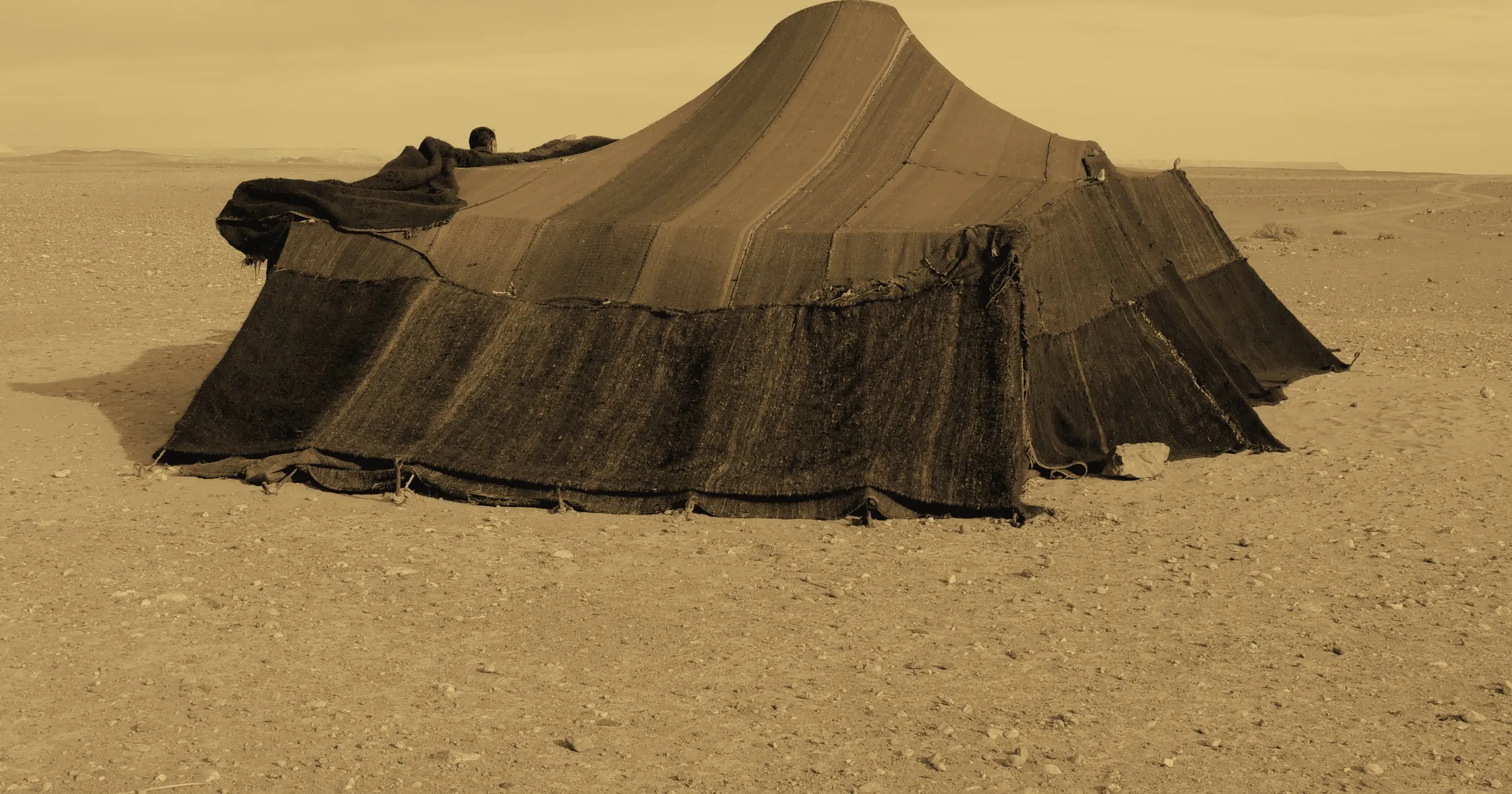
It is strongest, he noticed, where life is hardest. The desert Bedouin trusts his kinsmen because there is no alternative: no bureaucracy to arbitrate, no police to enforce, no state to catch him.
That is why the harder, poorer group takes the richer one. Not better weapons. Not better tactics. It has something the city has mislaid, which is people prepared to die for each other.
The conquerors take the city, and in taking it they destroy the conditions that made them capable of taking it.
The second generation grows up in palaces rather than tents. The third has never known hardship. The fourth assumes its privileges are the natural order. By the fifth, the descendants are so softened by comfort, so remote from whatever the founders had, that they fall to the next hard group arriving from the edge, and it starts again.
Success is not threatened by failure. It is threatened by itself.
Can you inherit it?
Every parent who has done well tries. The instinct is universal: I went without, my children will not, and I will somehow pass on what going without taught me while sparing them the going without.
Every founding generation of every dynasty in Ibn Khaldun's survey attempted the same transfer at scale, through education, through ceremony, through law, through telling the story of the founding until everyone could recite it.
None of them managed it. Not one.
A child who is told at length how much his grandfather sacrificed has been given information. He has not been given the thing the sacrifice produced, and cannot be, because the only way to produce it is to need someone that way himself, which is precisely what his grandfather's success was designed to make unnecessary.
You cannot hand down hardship. You can only hand down its proceeds, and the proceeds are the solvent.
If cohesion only comes from genuine mutual need, then the question for anyone who wants to build something that lasts is not how to accumulate faster. It is what you are prepared to need other people for, on purpose, while you still have the option of not needing them at all.
Almost nobody chooses that. Which is roughly what Ibn Khaldun was telling us, and why his book took five hundred years to be understood, and why it is still not really believed.