
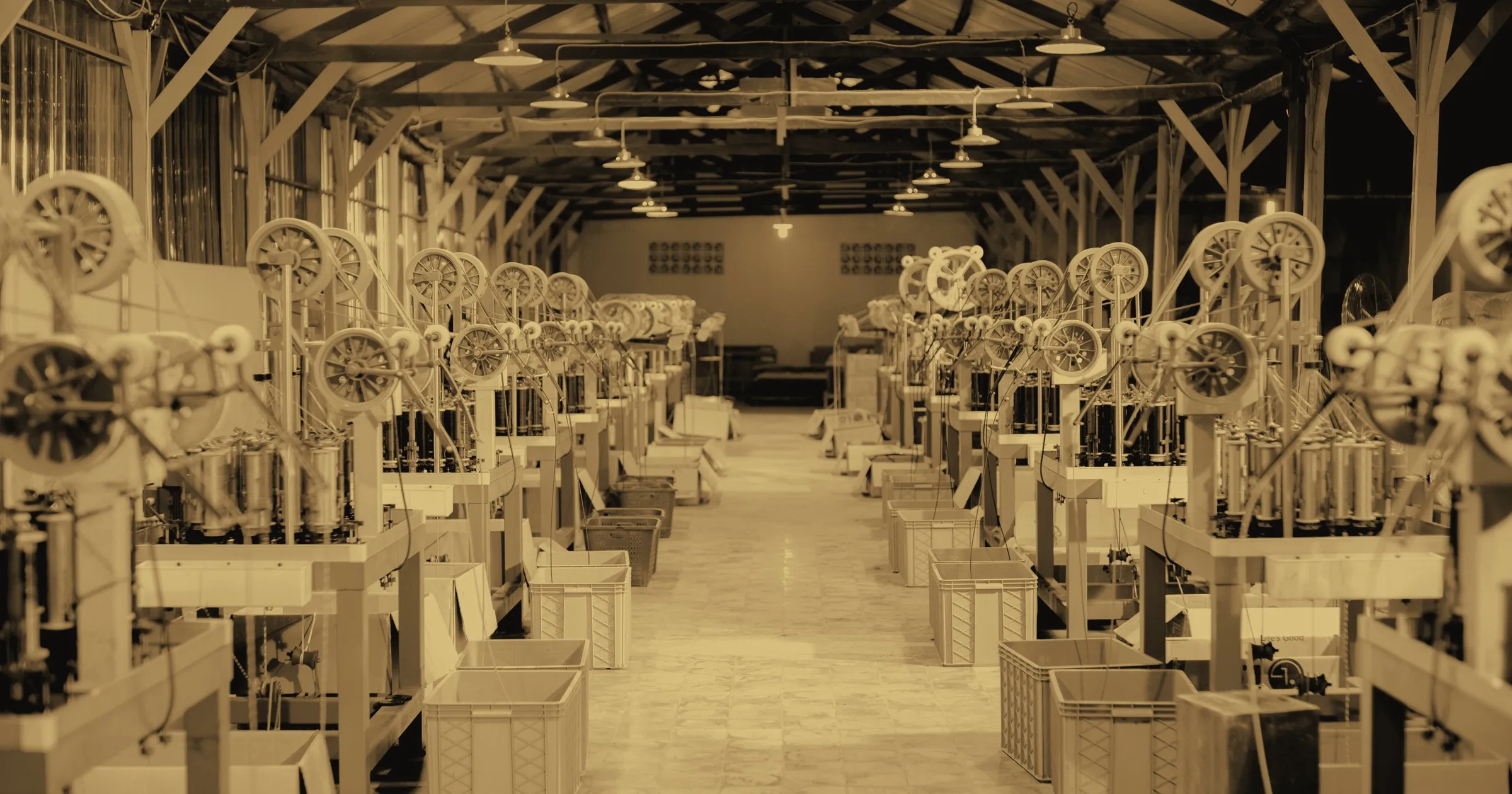
When a system produces the same result for two hundred years, the result is not a malfunction. It is the specification.
This is obvious about anything mechanical. If a press stamps a part slightly out of tolerance every single time, no engineer says the press is broken. They say the press is doing what it was built to do, and the drawing is wrong. Nobody proposes to fix it by motivating the press.
We do not apply this to economies, and I think the refusal is deliberate, because the alternative is expensive.
Inequality is a challenge to be addressed. Environmental damage is an externality to be priced. Loneliness is an emerging public health concern. Every one of those framings carries the same buried assumption: that the system intends something else and is falling short, and that the gap is a matter of execution.
Then look at what the thing actually does, reliably, everywhere it has been installed, regardless of who is running it. It concentrates. It extracts. It grows until the ground gives out.
At some point the consistency stops being evidence of failure and starts being evidence of design.
There are three assumptions, and they are not hidden in any way. They are taught.
First, that what you can acquire is rightfully yours. Legality stands in for morality, and the contract stands in for the conscience.
Second, that there is no ceiling. The concept of enough is simply absent from the operating logic.
Third, that value is whatever someone will pay. The market arbitrates and the market is held to be neutral, which means it has no opinion about whether children dug the cobalt.
Feed those three assumptions into a machine and the output is not mysterious. You get extraction, because value must be found somewhere. You get concentration, because there is no ceiling.
Communism claimed to abolish private ownership and did not abolish it. It moved it. That is not a story about a theory being unworkable. It is a story about swapping the owner and announcing liberation. The premise was untouched, so the machine kept running, and only the beneficiary changed.
You cannot fix a design by working harder inside it. The press will keep stamping the part.
So the honest question is not whether the machine works. It works. The question is whether we want the product.
There is a version of the objection that always arrives at this point, and it deserves an answer. This is naive, it says. You need incentives. Without ownership nobody builds anything.
Look around at what ownership built. Then tell me the only available criticism of it is naivety.