
A patient arrives covered in rashes, feverish, short of breath, bleeding from the gums. The doctor examines the rashes and prescribes a cream. Examines the fever and prescribes paracetamol. Examines the breathing and prescribes an inhaler. Examines the bleeding and prescribes a coagulant. Four symptoms, four prescriptions, come back in a week.
This continues for years. The patient is never well and is always being treated. And at no point does anyone in the building stop and ask whether these are four conditions or one.
Take the crises that dominate every policy agenda on earth. Mental health. Inequality. Environmental collapse. Crime. Loneliness. Addiction. War.
Each one has its own ministry, its own research literature, its own conferences, its own charitable sector, its own professional qualifications, its own budget line. Trillions are spent annually across the seven. Every one of them is getting worse.
Seven separate fields, different methods, different countries, different decades, and the same direction of travel in all of them. That is not seven failures. That is one thing happening.
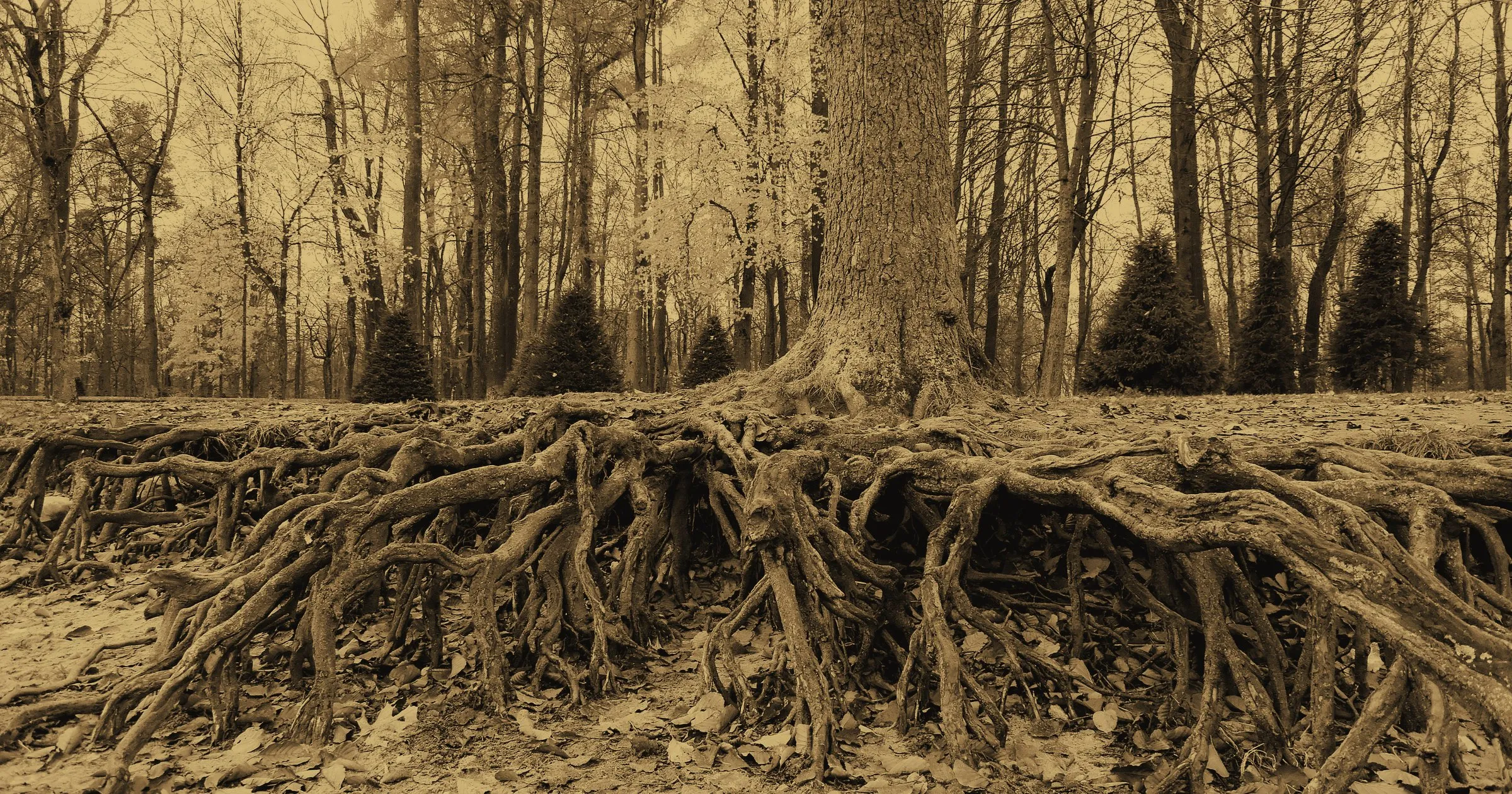
There is no profession whose job it is to find the root.
Now ask who is employed to look for that. Not who might mention it in a book. Who is paid, with a budget and a job title, to establish it.
Nobody. Everyone is looking down their own well, expertly, and the thing they are all looking for is not in any of the wells. It is in the water table.
This is not a conspiracy. Nobody decided it.
So let me do the thing nobody is paid to do, and trace them.
Why is a twenty-five-year-old with a degree, a job, a flat and a full social calendar unable to sleep? There is no tiger in the room. She is afraid of losing, and what she is afraid of losing is a self she has assembled out of achievements and appearances, which requires constant maintenance, which generates constant fear, because the question am I enough has no available answer.
Why does environmental policy keep failing with the technology already in hand? Because we are asking people to protect something they believe belongs to them. Read the vocabulary: natural resources, ecosystem services, natural capital. That is the language of a portfolio. And you do not conserve a portfolio.
Why do property crime and war have the same grammar? Because both begin with a possessive pronoun. Someone has what I want, or someone is coming for what is mine. Scale is the only difference between a burglary and a border.
Seven times, the same sentence: this is mine and I might lose it.
The bag is getting heavier. The appointments are getting closer together. And there is still nobody in the building whose job it is to ask the obvious question.