
In ninth-century Baghdad, the caliph al-Ma'mun made a translator an offer.
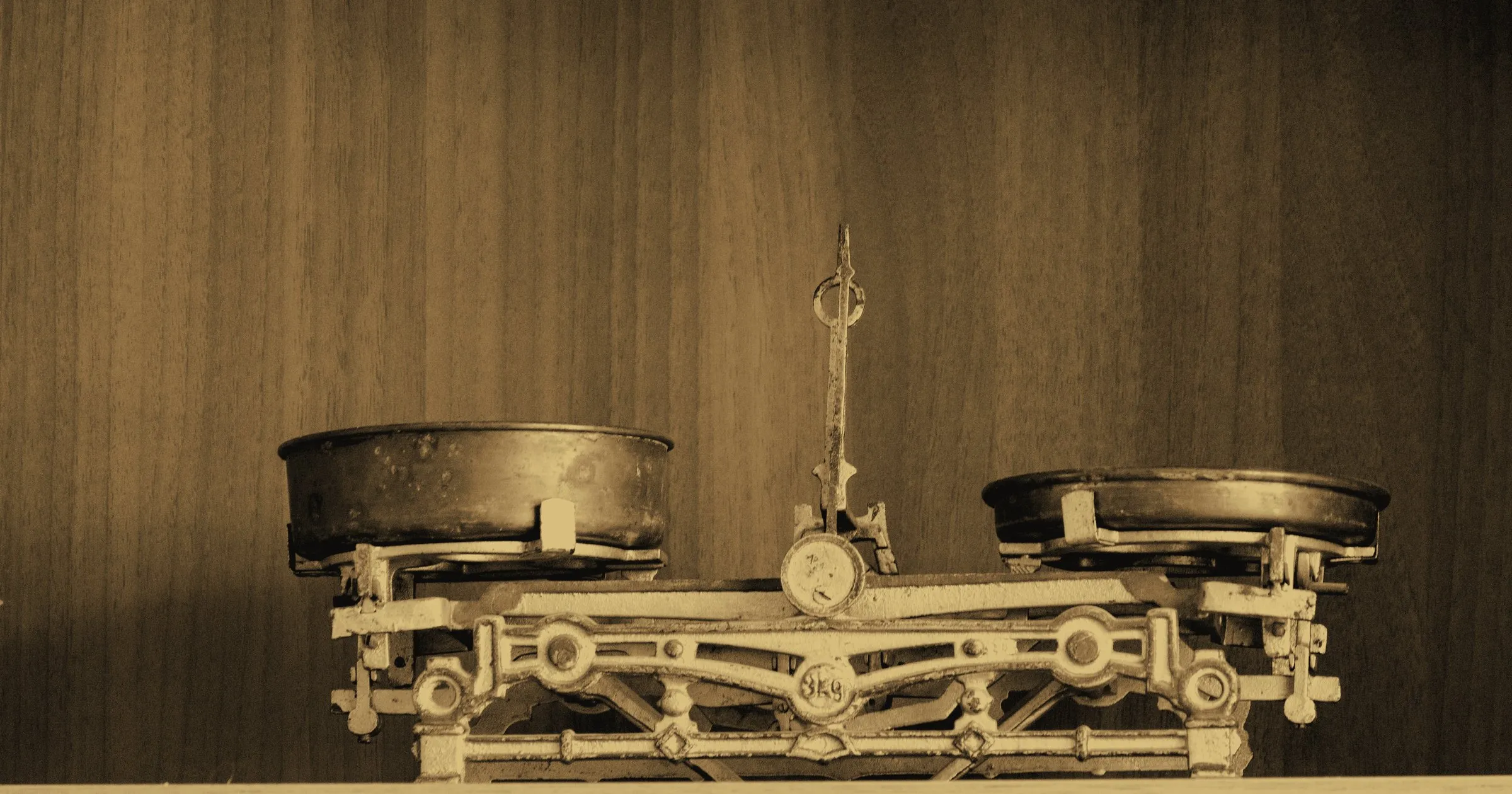
For every manuscript Hunayn ibn Ishaq rendered from Greek into Arabic, he would be paid the book's weight in gold. Not a fee. Not a commission. The physical weight of the finished volume, in gold.
The heavier the book, the larger the payment. Hunayn, who was nobody's fool, is said to have taken to using thicker paper and writing in a larger hand.
Look at who is in that room. A Nestorian Christian, bargaining with a Muslim caliph, over the price of translating pagan Greek philosophy into the language of the Qur'an.
Every part of that sentence is doing work.
The Abbasid translation movement ran from roughly the eighth century to the tenth, and it is the single largest deliberate transfer of knowledge in recorded history.
It was not a happy accident of a rich empire. It was a programme, with a budget, run for two centuries.
Nothing obliged a Muslim empire at the height of its power to spend enormous sums importing the thought of pagans, and putting Christians and Jews and Zoroastrians on the payroll to do it.
What made it possible was a settled conviction that truth does not carry the religion of the person who found it. The often-quoted formulation is al-Kindi's: we should not be ashamed to acknowledge truth from whatever source it comes, even if it comes from earlier generations and foreign peoples.
That is not tolerance in the modern sense, a willingness to put up with difference. It is a claim about the nature of knowledge: that it is not owned, that its origin does not contaminate it, and that refusing to learn from an opponent is a form of stupidity rather than a form of loyalty.
The translation movement is why we have Aristotle. Large parts of the Greek corpus survive only because they went into Arabic and came back into Latin in the twelfth century.
Import first, then exceed. That sequence recurs throughout this book and it never starts with the exceeding.
Which brings it back to the gold.
The final chapter of this book argues that the conditions for a knowledge civilisation are simple and known: protect the thinkers, fund them properly, free them from subsistence, give them time and institutions that outlast a career.
Al-Ma'mun did not have a theory about this. He had a translator he wanted, and he paid what it took to get him, at a rate no research council on earth would now approve.
It is worth asking what we currently pay for the equivalent work, and what we expect to receive for it.