
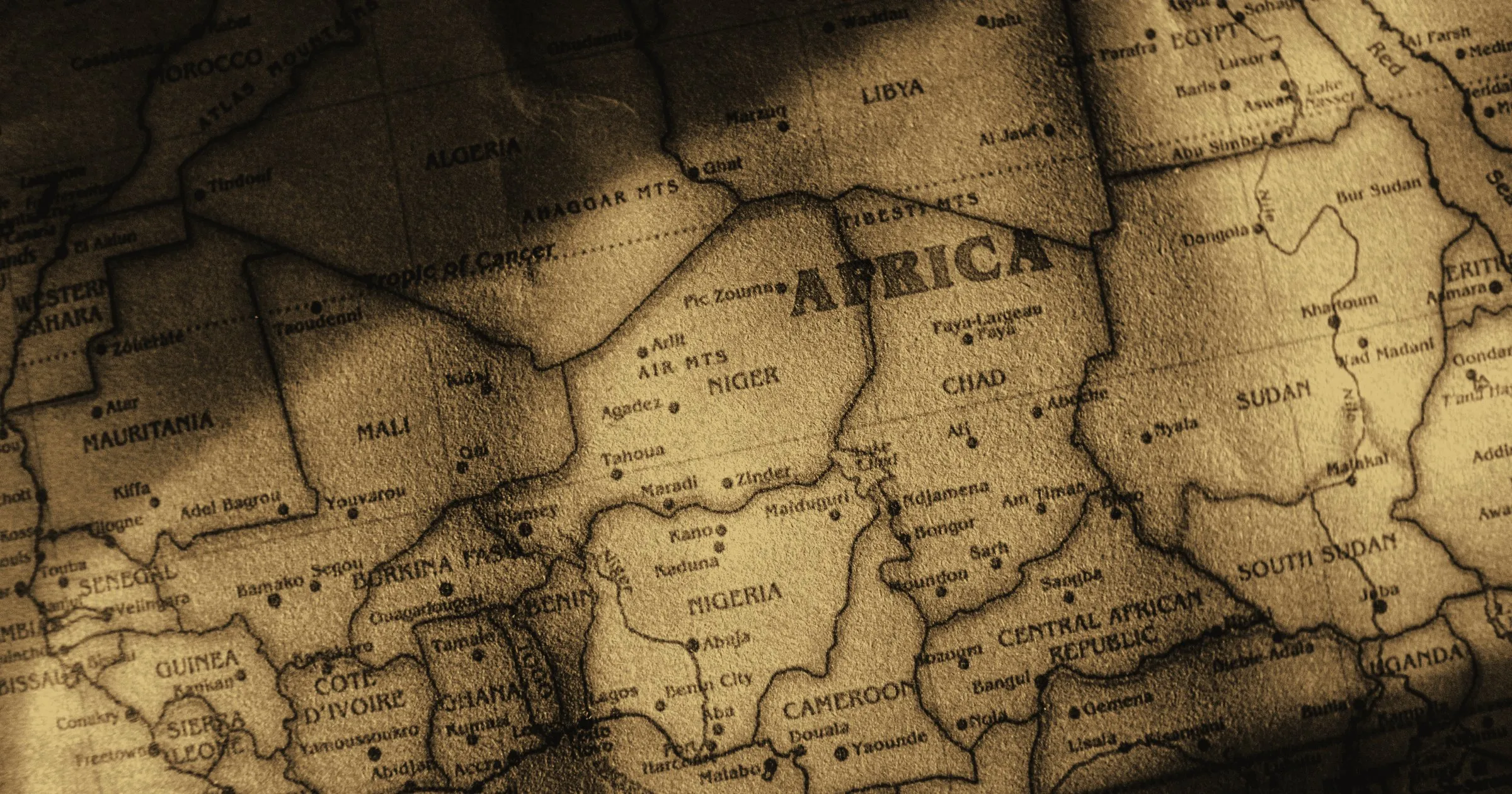
In 1884, fourteen European nations and the United States met in Berlin to divide Africa among themselves. No African was present. No African was consulted.
The lines they drew were not drawn in ignorance. The colonial powers knew where the ethnic boundaries lay and which peoples had histories of cooperation or conflict. They drew the borders as they did because a divided colony could not unite against its rulers. The division was the point.
It was policy, written into colonial office memoranda and taught to the administrators sent out to govern.
In Rwanda, Belgium took the fluid categories of Hutu and Tutsi, fixed them as races, printed them on identity cards and tied them to education and power. When Belgian rule ended, the hierarchy it had built exploded, and some 800,000 people were killed in a hundred days.
In India, the British census sorted people by religion and made religion the basis of representation. Hindus and Muslims who shared languages, food, music and sometimes families were steadily filed into opposing camps. Partition followed, drawn by a British lawyer who had never visited the subcontinent and was given five weeks to divide it. Between one and two million people died.
Europe then watched the aftermath and called it ancient hatred.
Here is the part that matters for Muslims in Europe now. The technique did not stay abroad. It came home.
European states do not deal with their Muslim populations as one community. They sort them. Moderate and radical. Good Muslims who assimilate and bad Muslims who keep their identity. They set up official representative bodies that answer to the state and manage the community on its behalf, while the organisations that refuse to be managed are pushed to the margins.
They encourage Turkish Muslims to be Turkish first, Pakistani Muslims to be Pakistani first, Arab Muslims to be Arab first. Anything but a shared identity that could speak with one voice.
The machine does not need to invent these divisions. Any community as varied as Europe's Muslims already has them. It needs only to find them, feed them, and make sure that solidarity never forms across them.
That is why it works, here as it did there. A population kept in pieces can always be managed, and never has to be answered.
So the next time you are invited to prove you are one of the good ones, notice what the invitation asks of you. It asks you to stand a little further from the Muslim next to you.
The method was perfected in Lahore and Algiers. It works just as well in Birmingham and Marseille. The machine does not forget its methods. It only updates the postcode.