
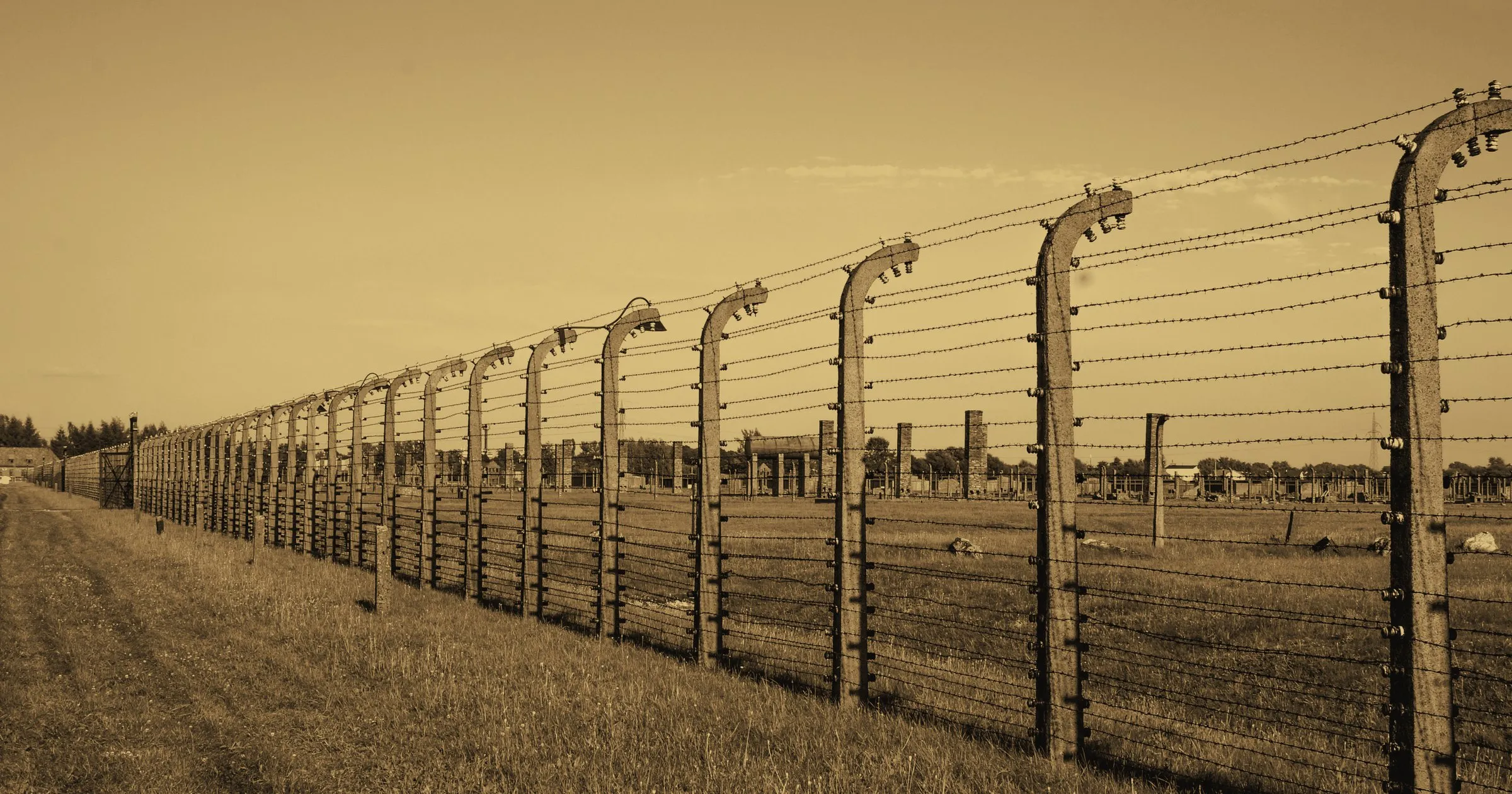
After the Second World War, Europe made a promise. Never again.
It was a serious promise, and in one respect it has been kept with great seriousness: in memorials, in education, in reparations, in laws against denial. That remembrance is owed, permanently.
Now ask who else was in the camps.
The Nazis classified the Roma, alongside the Jews, as racially inferior and marked them for extermination. They were rounded up, confined, worked, experimented on and killed. On the night of 2 August 1944, the surviving inmates of the so-called Gypsy camp at Auschwitz-Birkenau were murdered in the gas chambers.
Estimates of the Roma dead run from 220,000 to 500,000 or more. The width of that range tells you something. Even in the accounting of atrocity, the Roma were not counted with the same care.
No European state has paid them significant reparations. Most schools do not teach what happened. There are no major museums.
What followed is worse. Czechoslovakia sterilised Roma women through its public health system from the 1970s into the 1990s. Sweden, a byword for progressive government, sterilised Roma and other "undesirables" until 1976.
Before any of that, in Wallachia and Moldavia, Roma were legally enslaved from the fourteenth century until 1856: bought, sold, separated from their families, owned by the crown, the Church and the nobility. It lasted longer than slavery in the Americas. It has almost no place in European memory.
Today Roma life expectancy is ten to fifteen years below the European average. Their camps are bulldozed. Their children are placed in schools for the intellectually disabled because they are Roma, and their placement is then cited as proof that Roma children need such schools.
The Roma have never threatened any European state. No army, no terrorism, no political movement to impose anything on anyone. They had only their difference. It has been enough for six hundred years.
Their story shows two things that matter for Muslims in Europe.
First, the machine does not have to end in catastrophe. It can simply run at low speed, forever. Not one defining moment, but a permanent baseline of exclusion with periodic surges. The mosque refused permission. The school inspected again and again while the one next door is left alone. The young professional told, politely, that the headscarf might be a barrier. None of it is persecution on its own. All of it together is the machine idling.
Second, "never again" was never universal. It was a political settlement, held in place by those with the power to hold it.
The Roma had no state, no representation, no leverage. So the promise passed them by.
Never again has a footnote. It reads: unless you are too powerless to matter.