
Everyone knows how the Library of Alexandria ended. There was a fire. Something irreplaceable was lost in an afternoon, and the world got measurably stupider before dinner.
It is one of the most durable images we have about knowledge, and it is wrong in a way that matters.
The library did not burn down. It took about seven hundred years to die, and most of that was neglect.
Caesar's forces set fire to ships in the harbour in 48 BCE, and the flames reached warehouses near the docks that may have held books. Aurelian's siege in the 270s CE wrecked the Bruchion quarter, where the main library stood. In 391 CE the Patriarch Theophilus ordered the destruction of the Serapeum, a secondary collection in the temple of Serapis, as part of a campaign against pagan institutions. By the Muslim conquest in 642 the library had not functioned as an institution for centuries. There was nothing left to burn.
What actually killed it is duller and far more frightening. The Ptolemies who founded it had a policy: buy everything, copy everything, pay for scholars to sit in Alexandria and work. That policy required a state that thought the project was worth funding, generation after generation, with no return anyone could point to on a ledger.
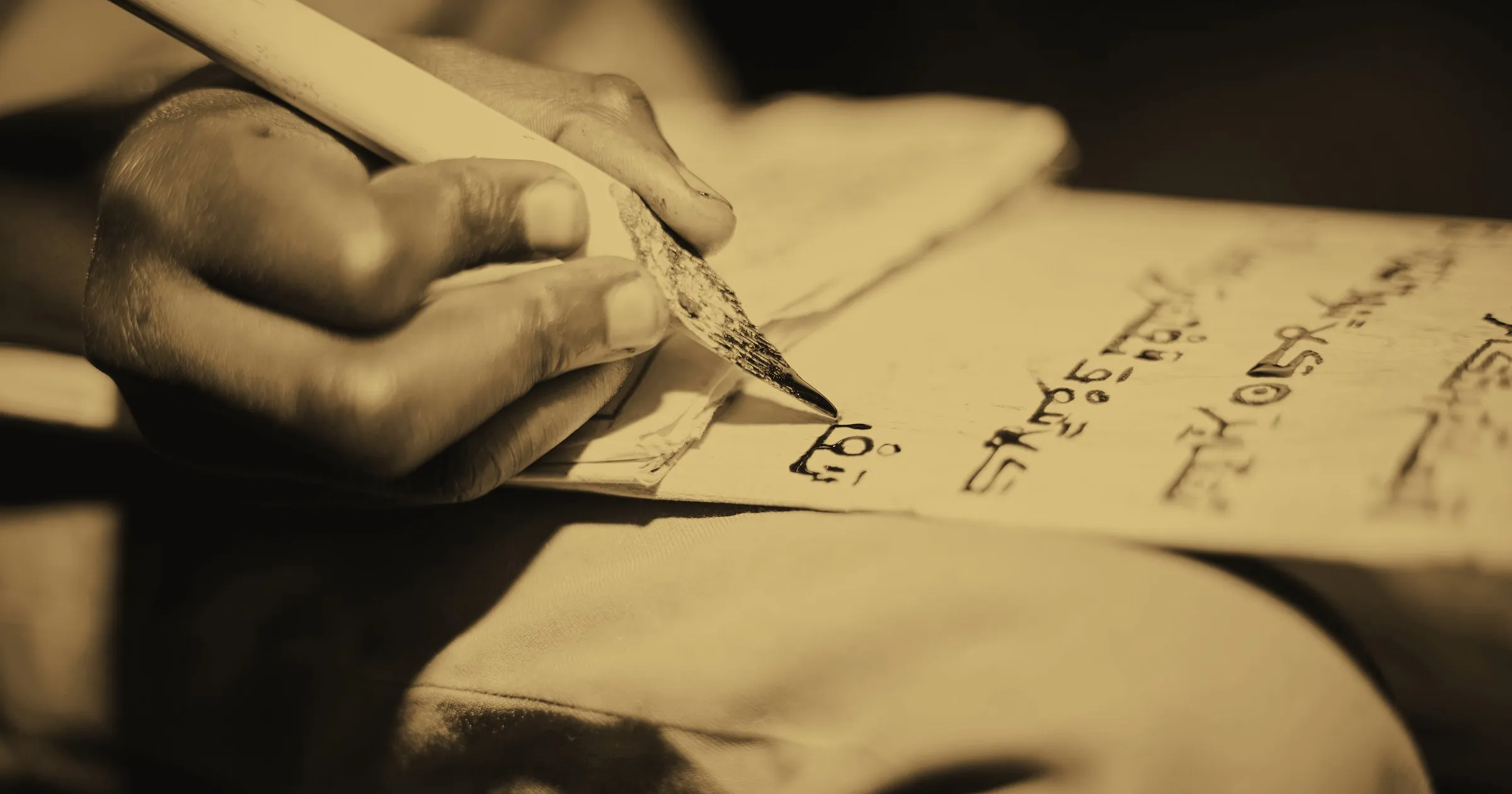
Then the funding thinned. Papyrus rots in a few hundred years in that climate unless somebody is continuously recopying it, and recopying is a salaried activity. Stop paying for it and the collection does not need burning. It simply stops being replaced, roll by roll, until the shelves hold dust.
The library did not die of arson. It died of a thousand small budget decisions, none of which felt like vandalism to the person making it.
I think the fire myth survives because we prefer it. A fire is an event. It has a villain, a date, a moment at which things could have gone differently. It absolves everyone who was merely not paying attention.
Whereas "we stopped funding the copyists" implicates every generation that had the chance to keep paying and decided the money was better spent elsewhere. That story has no villain, and consequently no comfort.
It also has an uncomfortably modern shape.
Consider the research that exists in exactly one place, on one server, curated by one underpaid person whose post is up for review. Nobody is going to burn any of it. It will simply not be migrated to the next format, and the person who knew where it was will retire.
The chain does not usually snap. It corrodes.
The Egyptians would have found this incomprehensible. They wrote on stone so that the record could not be lost, and carved the names of the dead so that they would continue to be spoken.
They understood something we keep having to relearn: that remembering is not a state you arrive at. It is a thing you have to keep paying for.