
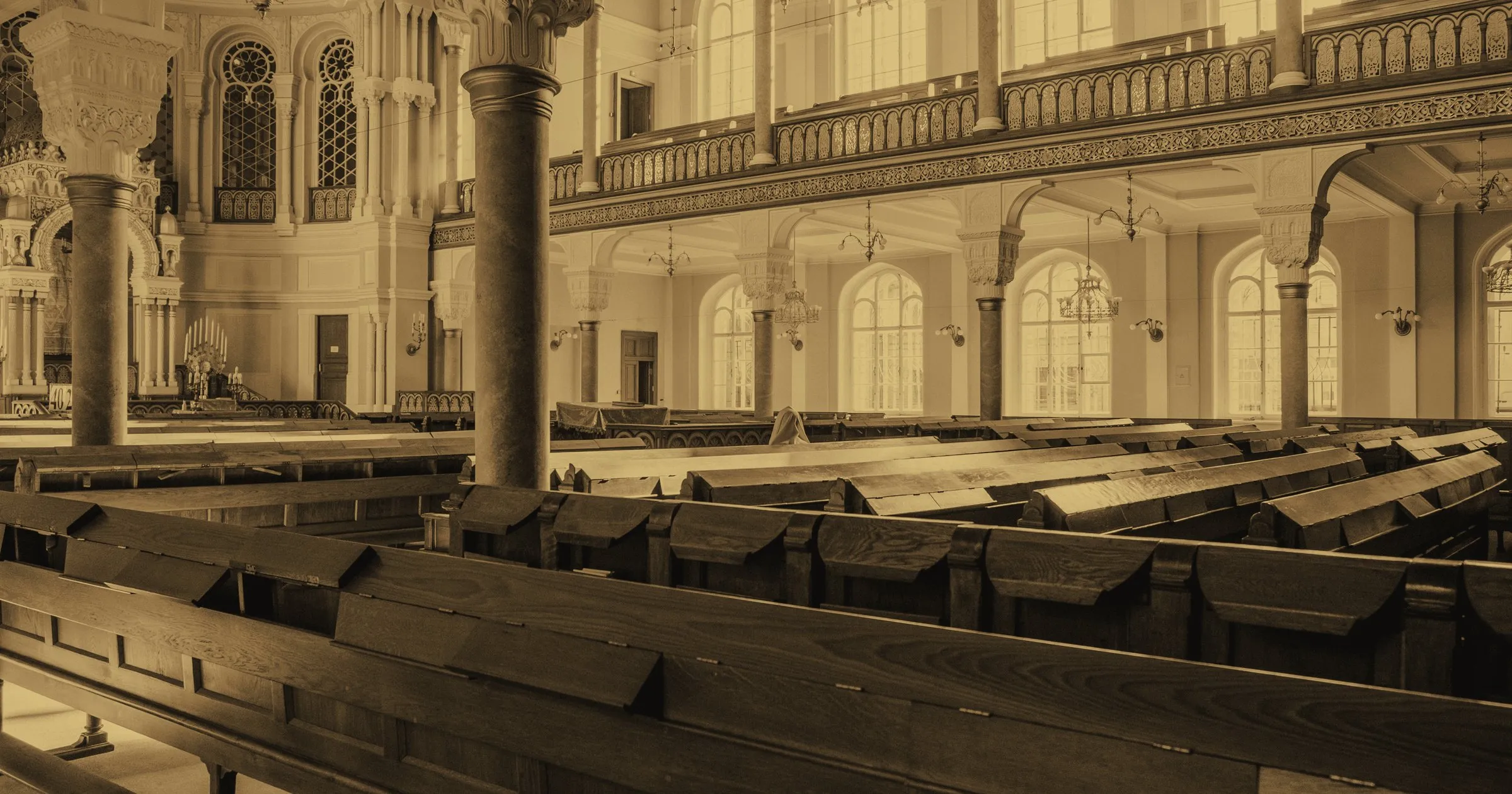
There is a promise at the centre of every integration debate. Learn the language. Adopt the customs. Work, pay your taxes, serve the country. Do all of that, and you will be accepted.
The Jews of Europe kept their side of that promise for centuries. Look at what it bought them.
No population in European history went through the machine as many times, in as many countries, as the Jews. Every method later used on others was tested on them first.
In 1215, the Fourth Lateran Council required Jews to wear distinctive clothing, so their difference could be seen at a glance. Across Europe they were barred from land and guilds and pushed into money-lending, which the economy needed and despised them for providing. Crises brought violence: the Rhineland massacres of 1096, the blood libel, the Black Death, when they were accused of poisoning the wells. Then expulsion: England in 1290, France in 1306, Spain in 1492, Portugal in 1497.
Through all of it, many tried the obvious way out. They converted. They changed their names, their dress, their language. They intermarried.
In Spain, conversion was answered with blood purity laws. A baptised Jew who attended Mass and raised Catholic children was still barred from positions of authority, because his blood was now the problem. The moment conformity became possible, the boundary moved to a place conformity could not reach.
Four centuries later it happened again, with finality.
The Jews of Germany were among the most assimilated in Europe. They spoke German. They fought for Germany in the First World War, with distinction. They shaped German science, music, literature and philosophy. Many cared more about being German than about being observant.
The Nazis classified them as Jews regardless. The machine did not process individuals. It processed categories, and no amount of individual effort moved anyone out of one.
This is the lesson European Muslims have not yet absorbed. We are still told, and still tell ourselves, that the answer is more integration: better English, more professionals, more civic contribution.
Integration may buy time. It may soften the daily experience of exclusion. It does not touch the classification that produces the exclusion. As long as the category exists, the individual cannot argue his way out of it.
That is not an argument against being a good citizen. Be one. It is an argument against mistaking good citizenship for protection.
The Jews of Europe paid for this knowledge with their lives. The least we can do is learn it without paying the same price.
Belonging that has to be earned again every generation was never belonging. It was a lease.