
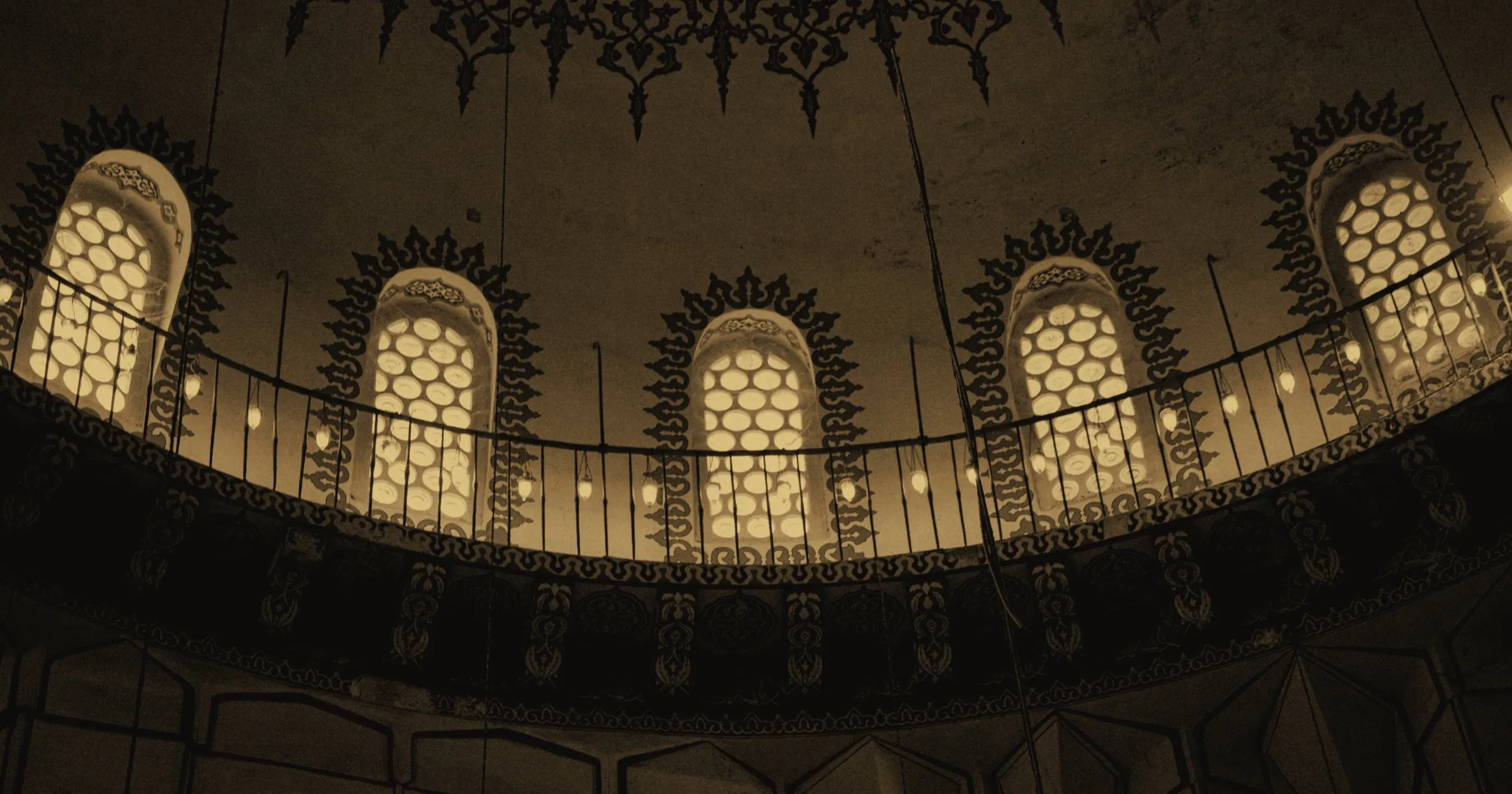
The integration debate asks one thing of European Muslims above all others: be less strange.
Dress less differently. Pray less visibly. Soften the name, blur the markers, dissolve into the majority until nothing about you prompts a second look. In return you are offered acceptance, conditional and revocable, but acceptance all the same.
Most of us have absorbed the premise without examining it: that standing out is a failure, and fitting in a success.
There is a hadith that turns that premise over. The Prophet, peace be upon him, said: "Islam began as something strange, and it will return to being something strange. So blessed are the strangers."
In the Islamic imagination the gharib, the stranger, is not a figure of failure. He is a figure of fidelity. He is the person who keeps his faith, his identity and his principles in a place that does not recognise them, does not value them, and may actively oppose them.
He is out of step with his surroundings not because he is deficient, but because his surroundings are.
Read through that lens, the demand to become less strange looks different. Your refusal to dissolve is not stubbornness. It is fidelity. Your persistence in being what you are, in a place that asks you to be something else, is not a failure to adapt. It is worship.
This is not a licence to withdraw. The Prophet, peace be upon him, was not a separatist. He engaged with the society of Makkah. He honoured its legitimate customs and kept relationships across every social boundary.
But he did not compromise his message. He did not surrender his identity. He did not let a hostile environment set the terms on which he engaged. He engaged on his own terms, grounded in his own truth, and he kept that grounding even when it cost him everything.
That is the posture European Muslims need to learn. Engagement without surrender. Participation without dissolution. Presence without assimilation.
The stranger is not absent from the world. He is present in it, on terms the world does not set.
Underneath all of this sits a harder question, the one each believer answers alone, in a conversation with the Creator that no book can mediate.
Does Allah waste the suffering of His people?
The tradition answers no. Suffering endured with patience, with faith and with wise action is not wasted. It is counted. It is recorded. It is compensated, in this world or the next or both. The believer who endures and prepares and acts is not a victim. He is a witness.
So when you are told, again, that you would be more welcome if you were less visible, you do not have to hear it as a verdict.
Strangeness is not the price of your faith. It may be its evidence.