
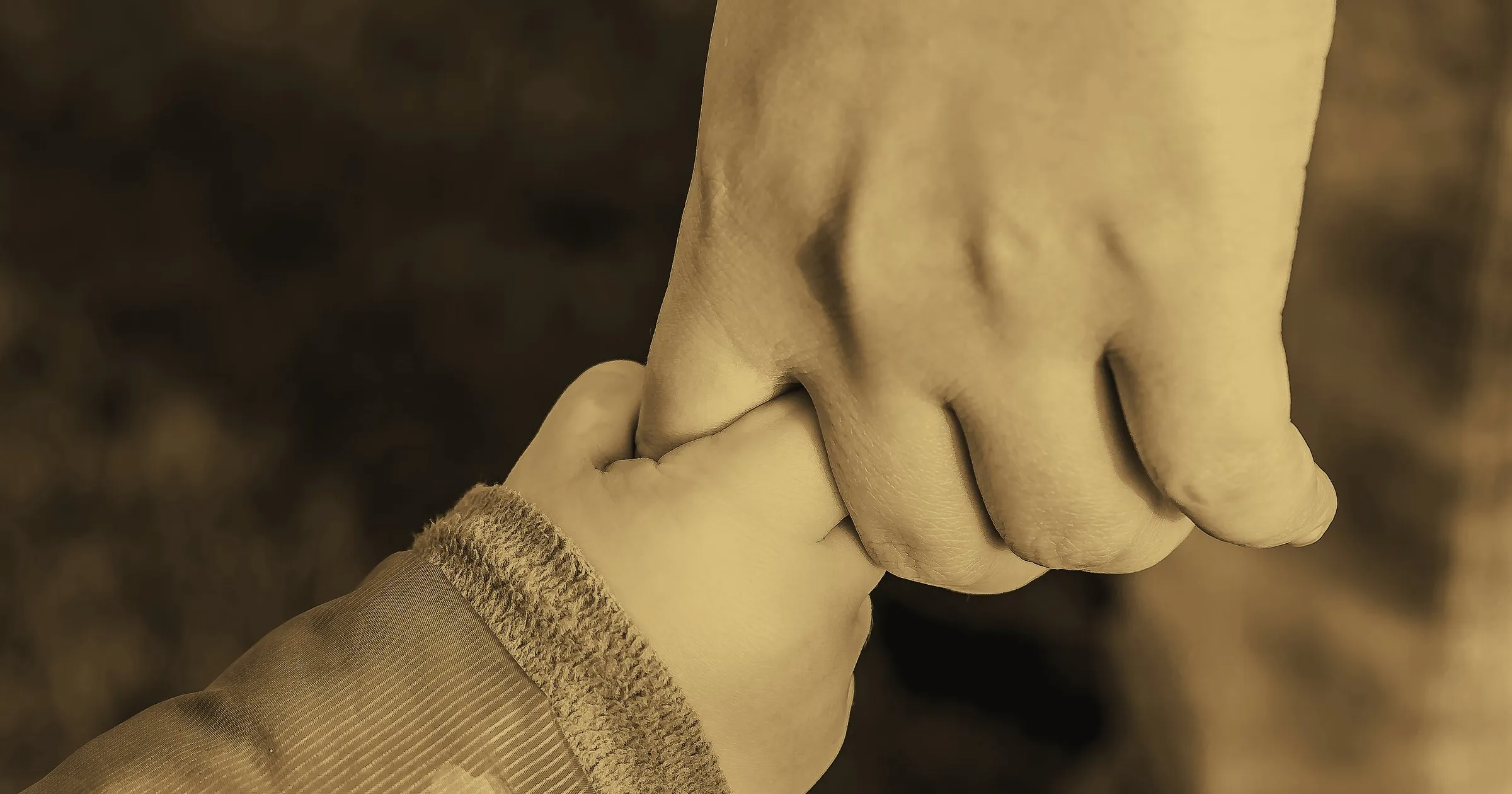
Every Muslim parent in Europe knows the moment. It does not announce itself. It comes in the car after school, or at bedtime when the house is quiet, in a child's voice, with a directness no adult would allow themselves.
Why do they not like us?
At six it is about something a classmate said. At ten it is a teacher's remark that made the room go quiet while everyone looked at them. At fourteen it is the news, a politician, a post that went everywhere, and a growing, articulate anger that the country they were born in does not consider them its own.
And the parent faces the same dilemma at every age. How much truth can a child carry? How do you arm them without taking away the security that childhood needs?
For decades the question has been what we owe the majority society. The better question is what we owe the small people at our tables, who wear our faces and carry our names.
We owe them the truth. Not all at once, and not in the register of a book written for adults. In pieces, as they grow, so that by the time they are old enough to read it all, nothing surprises them.
That truth starts with who they are. They are Muslim and they are European. They are heirs to Al-Andalus, the hospitals of Baghdad, the poetry of Rumi, and also to the schools they attend, the streets they play on and the friendships they make. They do not have to choose, and anyone who says they must is wrong.
It goes on to history, taught not as grievance but as intelligence, so that a child can see what is happening in a headline and not be confused by it. Clarity protects. Confusion does not.
It includes languages, because a child with several has several doors. Money, understood as something that must be able to move. Excellence, pursued for their own sake, because excellence creates options. And a living faith: the faith of Ibrahim, of Musa, and of the Prophet, peace be upon him, who endured and then built.
Hardest of all, we owe them two truths held together.
The first: this is your home. You belong here by birth, language, work and love. Do not let anyone tell you otherwise.
The second: history shows that belonging can be withdrawn, and a person who is prepared is not disloyal.
A child who holds only the first will be caught unready. A child who holds only the second will never put down roots. A child who holds both can live fully where they are and still be ready for a world that changes.
That is the answer to the question in the car. Not comfort, and not fear. The truth, with love.