
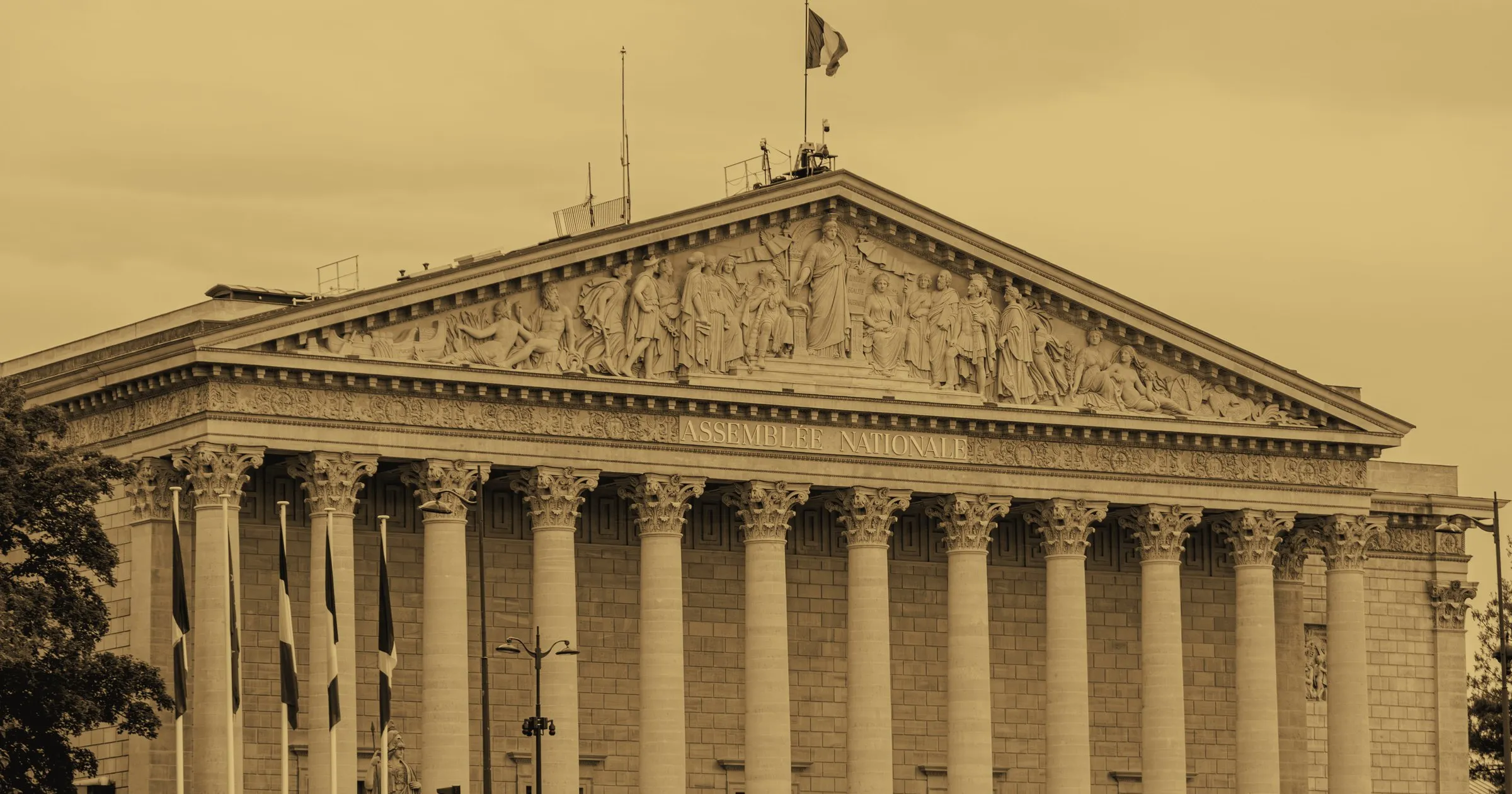
When persecution speaks the language of bigotry, it can be named, shamed and resisted. When it speaks the language of liberty, equality and fraternity, opposing it looks like opposing those values themselves.
France has learned to speak the second language fluently.
Start with the word at the centre of it. Laïcité, in the Law of 1905, was a principle of state neutrality. It was aimed at the Catholic Church, which had dominated French education, law and public morality for over a thousand years. The Republic would recognise, fund and favour no religion, and it guaranteed freedom of conscience and worship. In its time it was progressive. It restrained a powerful church. It did not police minorities.
Then, in 1989, three Muslim girls were expelled from a school in Creil for wearing headscarves. The debate that followed has not ended in over three decades, and it quietly changed what the word meant. A rule about the state became a rule about individual citizens in public space.
The 2004 law banned conspicuous religious symbols in state schools: headscarf, kippah, large cross. The kippah was already rarely worn there. Large crosses were uncommon. Everyone understood which garment the law was for.
The 2010 law banned full face coverings in all public spaces. It affected an estimated 2,000 women in a country of 67 million. No problem that size needs national legislation. A message does.
The 2021 anti-separatism law went furthest. Wider powers to dissolve Muslim organisations. Oversight of mosque funding. Restrictions on home schooling. A charter of Republican values to sign before receiving public money. Surveillance of online content deemed separatist.
Notice who passed it. Not Marine Le Pen. Not the far right. A president of the centre, who presented himself as liberal democracy's defender against both extremism and populism.
That is the lesson France teaches the rest of Europe. The machine does not need the far right to win elections. It needs only the centre to adopt the far right's logic while keeping the vocabulary of liberal values. The positions that were extreme in the 1990s are common sense now, and the party that first proposed them has not been marginalised. It has been proved right.
The template is travelling. Belgium has banned religious dress. Austria has banned headscarves in primary schools. When a British commentator calls the hijab a barrier to integration, or a think tank proposes a charter of values for Muslim organisations to sign, the framing is French, adapted for local taste.
So watch the vocabulary, not just the parties. The danger rarely arrives shouting. It arrives citing the Enlightenment, and it dares you to object.
France calls this defending the soul of the Republic. The Republic has no soul. It has a machine, and the machine is running.